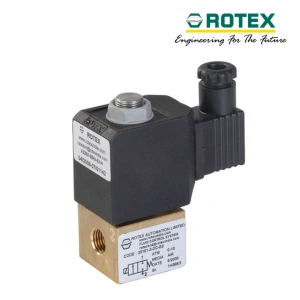
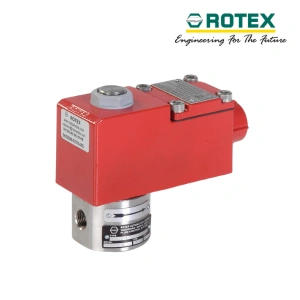
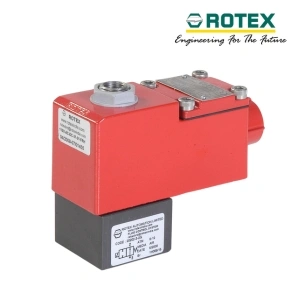
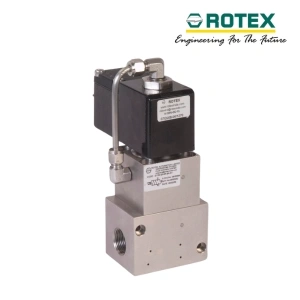
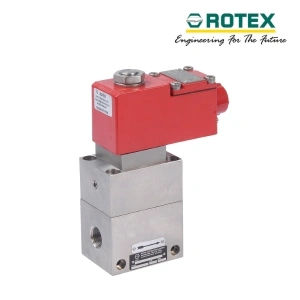
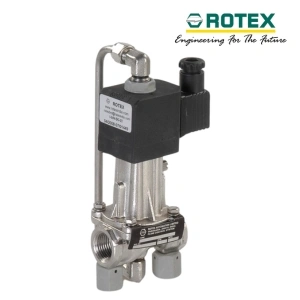
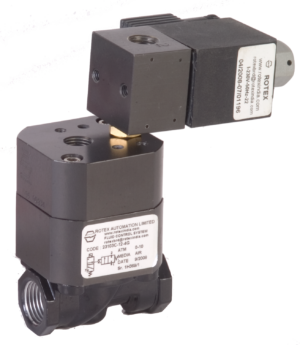
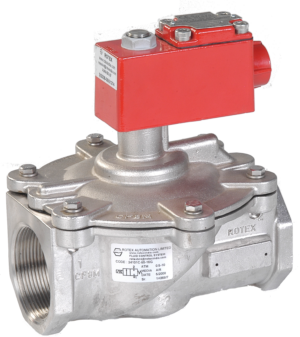
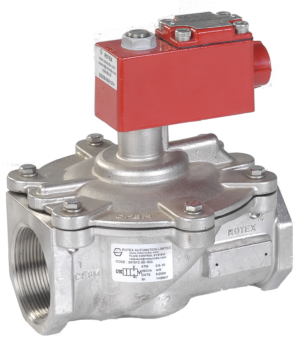
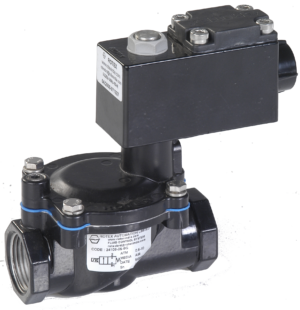
Engineered for absolute safety in hazardous environments. Our flow control solutions are rigorously tested and universally certified to meet the most demanding international standards for explosive atmospheres and critical safety systems.
Real operating conditions. Real application challenges. Engineering shaped around what the process demands.
Challenge
Corrosive coastal conditions and severe pipeline vibrations at their refining hub caused frequent ESD valve failures. This premature degradation led to significant maintenance bottlenecks and increased the risk of costly, unplanned process outages.
Engineering Response
Rotex deployed a custom solution utilizing SIL3-rated solenoid valves upgraded with NACE-compliant 316L Stainless Steel bodies. We integrated epoxy-encapsulated, vibration-proof coils to completely neutralize both environmental and mechanical stresses.
What If Your Next Pneumatic Failure Could Be Prevented?
Discover the application factors that can contribute to recurring pneumatic failures-and what your team can check before they become operational issues.
What is the difference between Normally Open (NO) and Normally Closed (NC) valves?
A Normally Closed (NC) valve remains closed when de-energized, blocking fluid flow until power is applied to the coil. Conversely, a Normally Open (NO) valve allows fluid to flow freely when power is off, and closes only when the coil receives an electrical current.
Can I use a pneumatic solenoid valve for liquid applications?
A Normally Closed (NC) valve remains closed when de-energized, blocking fluid flow until power is applied to the coil. Conversely, a Normally Open (NO) valve allows fluid to flow freely when power is off, and closes only when the coil receives an electrical current.
How do I determine the correct port size for my system?
A Normally Closed (NC) valve remains closed when de-energized, blocking fluid flow until power is applied to the coil. Conversely, a Normally Open (NO) valve allows fluid to flow freely when power is off, and closes only when the coil receives an electrical current.
What is the average lifecycle of an industrial solenoid valve?
A Normally Closed (NC) valve remains closed when de-energized, blocking fluid flow until power is applied to the coil. Conversely, a Normally Open (NO) valve allows fluid to flow freely when power is off, and closes only when the coil receives an electrical current.
Do you offer custom coil voltages for specific OEM requirements?
A Normally Closed (NC) valve remains closed when de-energized, blocking fluid flow until power is applied to the coil. Conversely, a Normally Open (NO) valve allows fluid to flow freely when power is off, and closes only when the coil receives an electrical current.